
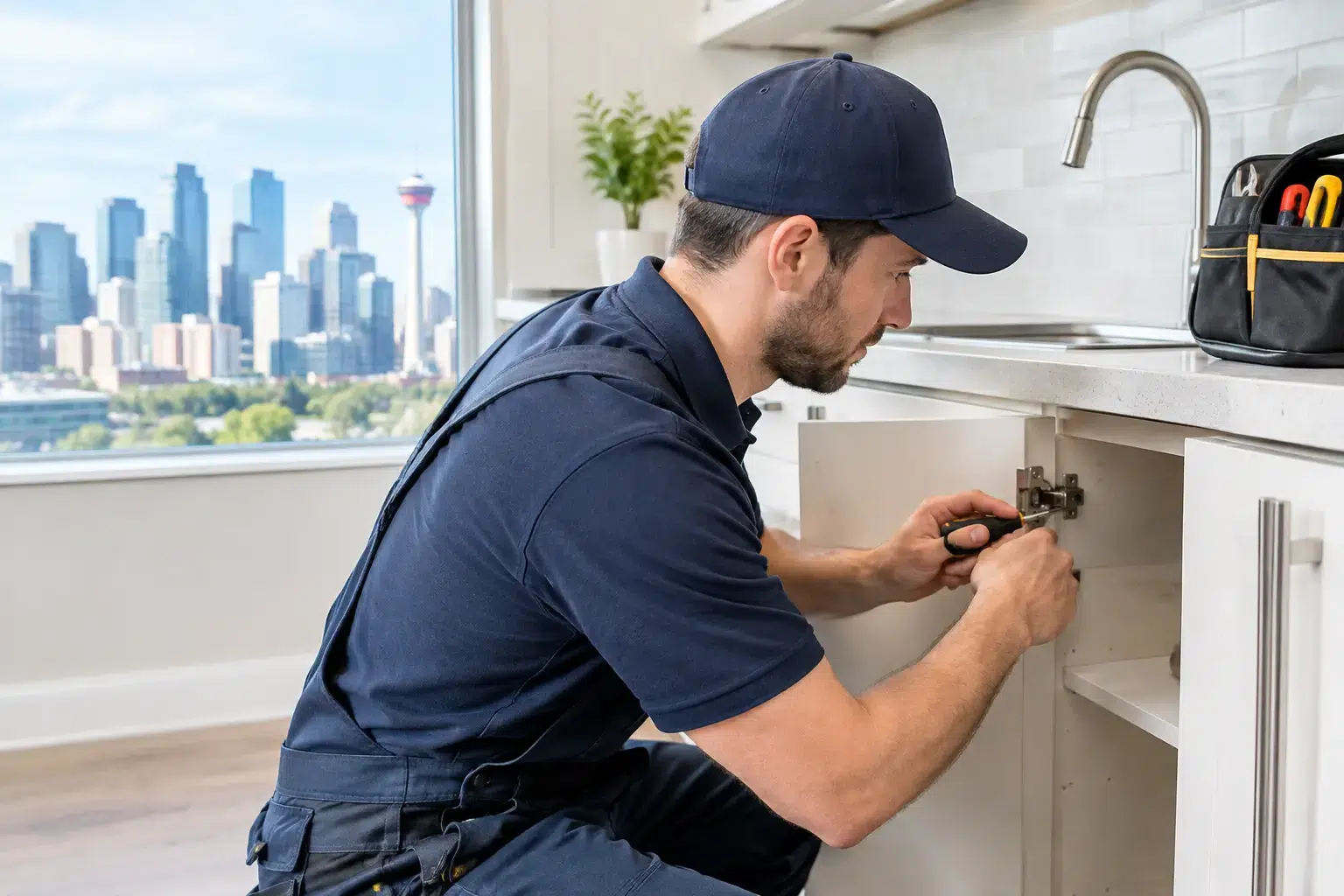
A furnace issue at 10 p.m., a leaking dishwasher during a tenant’s workday, or a frozen pipe after a sudden cold snap can turn a rental property into an urgent responsibility. Reliable rental maintenance services Calgary owners can depend on are not simply about sending a contractor when something breaks. They are about protecting the property, respecting the tenant’s home, controlling costs, and keeping small issues from becoming expensive disruptions.
For landlords, maintenance is one of the clearest tests of a property management relationship. Rent may arrive on schedule and a lease may be properly signed, but the real operational standard shows up when a tenant reports a problem. A timely, organized response protects the asset and helps retain responsible tenants who expect clear communication and a safe, well-maintained home.
Why Maintenance Cannot Be Treated as an Afterthought
Deferred maintenance has a way of becoming visible at the worst possible time. A minor roof concern can become a ceiling stain after heavy rain. A slow plumbing leak can damage cabinetry, flooring, and neighbouring condominium units. A furnace that was making unusual noises in autumn can stop working during a Calgary cold spell.
The financial cost is only one part of the issue. Delays can also affect tenant satisfaction, create avoidable vacancy risk, and complicate an owner’s responsibilities under Alberta tenancy requirements. Properties that are consistently maintained are easier to market, more likely to attract qualified applicants, and better positioned to support stable rental income.
The right approach balances speed with judgment. Not every maintenance request requires an emergency callout, and not every repair needs immediate replacement. A dependable management team assesses the urgency, documents the concern, communicates with the tenant, and selects the appropriate solution before costs grow unnecessarily.
What Effective Rental Maintenance Services in Calgary Look Like
Good maintenance coordination starts with a clear intake process. Tenants need an accessible way to report an issue, explain what they are seeing, and provide photos when appropriate. This helps distinguish an urgent water leak from a minor drip, or a full heating failure from a thermostat setting that needs attention.
For genuine emergencies, response time matters. Loss of heat, significant water leaks, electrical hazards, broken exterior doors, and conditions that threaten safety or substantial property damage require immediate action. A 24/7 maintenance channel gives tenants a clear next step rather than leaving them to search for help or wait until business hours.
For non-urgent repairs, the process should still be organized. The tenant should know that the request has been received, what access may be required, and when to expect an update. Owners should receive practical communication about the issue, the proposed repair, and any cost that falls outside agreed authorization limits.
The goal is not to approve every request without question. It is to make decisions based on the condition of the property, lease responsibilities, safety requirements, and the long-term value of the asset.
Emergency Repairs Require Fast, Calm Coordination
Calgary weather makes heating, plumbing, and building-envelope issues especially important. In winter, a heating interruption or frozen-pipe risk cannot be handled like a routine maintenance ticket. Prompt contractor coordination can prevent personal hardship for the tenant and extensive damage for the owner.
Emergency work also needs follow-through. Once the immediate issue is contained, a proper maintenance process confirms the root cause, records what was completed, checks for related damage, and determines whether additional repairs are needed. Stopping a leak is essential. Confirming that moisture has not affected walls, flooring, or a lower unit is what protects the property over time.
Preventive Maintenance Protects Income-Producing Assets
The most cost-effective repair is often the one that never becomes urgent. Preventive maintenance gives owners the opportunity to address predictable risks before they interrupt a tenancy or require emergency service.
Seasonal checks may include furnace servicing, filter replacement, plumbing inspections, smoke and carbon monoxide alarm testing, gutter and exterior reviews, and checks for moisture around windows, appliances, and sinks. The exact schedule depends on the age and type of property. A detached home has different needs than a condominium, where the corporation may manage common systems but the owner remains responsible for many in-suite components.
Preventive work is not a guarantee against breakdowns. Appliances fail and unexpected issues happen. However, it improves the owner’s ability to budget, reduces the chance of major damage, and demonstrates a consistent standard of care to tenants.
Inspections Turn Maintenance Into Asset Protection
A repair request tells you about a specific concern. A routine inspection provides a broader view of how the property is performing. It can identify early wear, unauthorized alterations, water damage, cleanliness concerns, or safety issues that a tenant may not recognize as maintenance-related.
Professional inspections should be conducted respectfully, with appropriate notice and clear documentation. The purpose is not to make tenants feel watched. It is to maintain the home, identify concerns early, and ensure both parties have a reliable record of the property’s condition.
For owners, inspection reports create visibility. Photos, written observations, and recommended next steps make it easier to approve work with confidence. They also support better planning at renewal time. If a property needs new flooring, paint, or appliance replacement, addressing it between tenancies may be more practical than reacting after a failure during occupancy.
Clear Roles Prevent Friction and Delays
Maintenance works best when responsibilities are understood before a problem occurs. Owners are generally responsible for keeping the rental property in a good state of repair and meeting health, safety, and housing standards. Tenants are expected to keep the premises reasonably clean, report damage or needed repairs promptly, and avoid causing damage through neglect or misuse.
Some situations require investigation before assigning responsibility. A clogged drain may be caused by a building issue, normal wear, or improper use. Damage around a window may relate to an exterior leak, condensation management, or a maintenance concern that needs a closer review. Assumptions create conflict, while documentation and professional assessment support fair decisions.
Condominiums add another layer. A property manager may need to coordinate with the condominium corporation when a concern involves common property, building systems, or access requirements. Small-commercial units may involve lease-specific obligations for HVAC, utilities, signage, or interior repairs. This is why maintenance should never be handled with a one-size-fits-all process.
Cost Control Without Cutting Corners
Owners rightly want maintenance expenses managed carefully. The lowest quote is not always the best decision if it leads to repeat repairs, poor workmanship, or a contractor who cannot respond when access is available. At the same time, replacing an item that can be safely repaired is not always the responsible choice.
Effective cost control comes from organized approval processes, qualified trades, documented work orders, and clear owner communication. It also comes from knowing when a repair has reached the end of its useful life. Repeated service calls for an aging appliance, for example, may cost more over a year than a planned replacement that improves tenant satisfaction and reduces disruption.
A management team should maintain agreed spending thresholds so urgent issues can be addressed quickly while larger expenses receive owner review whenever circumstances allow. Clear financial reporting then connects each maintenance expense to the property’s operating performance, rather than leaving owners to piece together invoices and tenant messages on their own.
Maintenance Builds Better Tenant Relationships
Tenants do not expect every issue to be solved instantly, particularly when parts, contractor availability, or building access affect the timeline. They do expect acknowledgement, honest updates, and respectful coordination. Silence is often more frustrating than a reasonable repair timeline.
A responsive process also encourages tenants to report issues earlier. That matters. When renters trust that a maintenance request will be handled professionally, they are less likely to ignore a small leak, delay reporting a faulty appliance, or try an unsuitable repair themselves.
For owners, this supports retention. Good tenants are more likely to renew when the home is well managed and their concerns are taken seriously. Fewer turnovers mean fewer vacancy days, less leasing expense, and less wear caused by frequent move-ins and move-outs.
Real Living Estate Ltd coordinates maintenance as part of a wider property management system that includes tenant communication, inspections, owner reporting, and 24/7 support. That connected approach helps ensure a repair is not treated as an isolated task, but as part of protecting the tenancy and the investment behind it.
A well-maintained rental does more than avoid emergencies. It gives owners confidence that their property is being cared for, gives tenants a dependable place to live or work, and preserves the kind of long-term value that makes rental ownership worth the effort.




Join The Discussion